Home » Retailer’s Guide to Shapewear: What Works Under Dresses, Trousers and Bridalwear?
The best shapewear is not necessarily the firmest style on the rack – it’s the style that works successfully with the customer’s body, desired level of support, comfort expectations and intended outfit.
A high-waisted shaping brief may perform exceptionally well beneath a skirt but create a visible waistband beneath a dress. A shaping bodysuit with boning can provide excellent support under a structured cocktail dress, but create all sorts of lines under a silk bridal gown. Bridalwear also introduces additional considerations such as necklines, back depth, skirt construction and long periods of wear.
As a lingerie retailer, asking your customer what she’ll be wearing over her shapewear, and then – crucially – knowing which styles gel well with which outfits, is key to successful selling.
This guide explores the best shapewear for bridalwear, dresses, trousers and other everyday clothing styles, while also examining the fit, construction and merchandising considerations that matter most to lingerie retailers, boutique owners, eCommerce businesses and fashion buyers across Australia and New Zealand.
Shapewear should work hand in hand with clothing, rather than compete with it. The right style can help create a smoother foundation, provide targeted curve control or enhancement, and allow garments to sit more cleanly. The wrong style may introduce seam lines, waistband bumps or visible edges, or be visible itself such as at necklines and arm openings.
For this reason, your shapewear recommendations should consider five factors together:
It’s an error to try to recommend a shapewear style without knowing how your customer is going to wear it.
Not every outfit requires maximum compression.
Light control may be all that’s needed for everyday dressing and lightweight smoothing, and can even be the better option for some special occasion outfits (such as fitted silk).
Medium control provides more noticeable shaping while remaining practical for extended wear, and can be easier to eat a full meal in that firm-control garments.
Firm control often best suits customers seeking more structured, more effective support for fitted occasionwear, especially if it will only be worn for a few hours.
Avoid presenting higher compression as automatically superior. Comfort, mobility and the ability to wear the garment for the required period are equally important.
Dresses are one of the strongest opportunities for shapewear retailing because different silhouettes have very different foundation requirements – everything from lightweight slip dresses to structured cocktail styles, fitted jersey dresses and formal evening gowns.
Close-fitting dresses can reveal seams, waistbands, leg opening edges, and transitions between compressed and non-compressed areas. For these outfits, an all-over smooth finish is usually the priority, which usually means a full-body shaper with seamless construction.
A bodysuit can be particularly useful because as well as sculpting the tummy and waist, it smooths over the bra band (if one is worn) and avoids having a visible waistband. However, dress construction should guide the final choice. A high neckline may accommodate a full bodysuit, whereas a plunging or low-back dress may require a much more specialised solution.
Ask customers to bring the dress to the fitting appointment whenever practical. Trying shapewear and the outer garment together is far more reliable than assessing the shapewear in isolation.
Slip dresses create a different challenge. Satin fabrics and lightweight, curve-hugging materials such as bias-cut silk chiffon can expose even subtle lines underneath. Heavy shaping is often counterproductive because it can rely on seamed panels and/or boning, which become visible through the fine-weight, clingy fabric.
The objective here should be on creating a smooth, seamless base, rather than dramatic sculpting.
Colour matters as much as construction. A shapewear garment that closely harmonises with the wearer’s skin tone will be less visible beneath light or semi-sheer fabrics than shapewear in any other colour, even the colour of the garment itself.
Have a diverse customer base? Consider whether your nude and neutral assortment provides enough tonal variation for different skin tones.
Wrap dresses often define the waist and create a V-shaped neckline. Depending on the fabric and fit, customers may want abdominal smoothing without restricting the neckline.
Consider:
The wrap construction can be relatively forgiving and already does a lot of the visual enhancement on its own, meaning very firm shapewear is not always necessary. For many customers, a comfortable medium-control style will provide the desired finish.
These dresses generally require less shaping through the hips and thighs because the skirt falls away from the body. You can therefore focus on sculpting the areas higher up where the results will actually make a difference.
Consider:
Selling a long-leg shaping garment when only upper back/underarm smoothing is required can add unnecessary compression and warmth, reducing comfort. This is particularly relevant to bear in mind in the Australian and New Zealand spring and summer event season.
Formalwear can combine fitted waists, lower necklines, high slits, open backs and structured fabrics. This makes special occasion shapewear highly outfit-specific.
Consider:
Consider every visible part of the dress before recommending the foundation; a shapewear style that works perfectly from the front may sit above the back edge, or become visible through a side slit.
Choosing shapewear under clothes such as tailored trousers requires a slightly different approach, one that includes considering waistband height, seat fit, thigh lines and fabric weight.
Tailored trousers often sit relatively close through the waist, hip and seat. A shaping garment that finishes in the wrong position can create a line beneath the fabric.
Consider:
Mid-thigh shorts provide a continuous surface through the hip and upper thigh, which may work better under structured trousers than a brief that cuts across the hip and bottom, creating visible lines there.
Match the shapewear rise to the trouser rise; a high-waisted shaping garment can work well beneath high-rise trousers, but may be unsuitable beneath a lower waistband depending on how the customer plans to style the look.
Wide-leg trousers generally provide more freedom through the thigh and are less likely to create VPL. Customers may therefore require shaping only through the waist and tummy.
Consider:
Usually, some tummy control is all that’s called for with this look.
Linen blends, pale summer trousers and fluid fabrics can show underwear lines (and colours!) easily. In these cases, minimal seams and appropriate colour choices are essential.
Consider:
In Australian and New Zealand, these are the styles to stock in greater depth during warmer months when linen, resortwear and lightweight tailoring become more prominent.
Bridal shapewear deserves specialist attention because customers are likely to wear the garment for many hours and be photographed from every angle.
There is no universal “best bridal shapewear”. The correct solution depends on the dress. The best time for your customer to buy her shapewear is once she has an idea of the dress style/silhouette, but before she’s actually bought it so that she can try the shapewear and dresses on together during her dress-shopping appointments. (If she buys the dress first and shapewear after, you may not have the physical space for her to try things on with a ball gown!).
Column, sheath, trumpet and mermaid silhouettes typically follow the body more closely than full-skirted styles.
The transition point of the shapewear is particularly important. If a shaping short finishes across a very fitted section of the thigh, the edge could become visible.
Fuller skirts provide more freedom below the waist. Many brides therefore need support only through the torso.
Consider:
The additional fabric and structure of the gown may already provide significant shaping and/or bust support, so the customer may not need a heavy foundation garment.
Low-back gowns are a common fitting challenge. Traditional high-waisted shapewear, designed to reach at least the waist to sculpt to, often rises above the dress line.
Consider:
Retailers should check the exact depth and shape of the gown’s back rather than relying on the description “low back”. A small difference in back height can determine whether the shapewear remains hidden or pokes over the edge.
The neckline introduces another layer of complexity. Some brides may require bust support and body shaping in the same garment, while others may be better served by separate bra and shapewear solutions.
Consider:
The support requirements of fuller-bust customers should be considered carefully. A wirefree shaping bodysuit doesn’t necessarily provide sufficient bust support simply because it is compatible with the neckline.
Encourage bridal customers to test the complete foundation system during alterations. Shapewear can subtly change how a gown sits, meaning the final undergarments should ideally be available when the dress is being fitted.
Shapewear has moved well beyond occasional formalwear usage. For many consumers, the category increasingly overlaps with everyday underwear, smoothing basics and comfort-led foundation garments. That creates valuable repeat-purchase opportunities for retailers with the right range.
Most denim already provides significant structure, and a firmer/stiffer fit. If the customer wants additional sculpting below, she’ll probably be most comfortable in something that’s lighter control.
Consider:
The shapewear waistband should not compete with the jeans waistband or create excess bulk.
Knitted dresses, skirts and trousers can reveal lines easily, particularly with finer-gauge fabrics.
Consider:
Retailers should also consider static, fabric interaction and whether the shapewear surface allows the outer garment to fall cleanly.
Customers wearing shapewear throughout a working day typically prioritise comfort, breathability and ease of movement. They want a polished look, but they’re not after ultra-firm control.
Consider:
An office customer who will wear shapewear for eight or ten hours will likely value moderate, reliable support more than maximum compression. This is an important selling distinction.
Just as with bras, shapewear sizing can be tricky and the label should be the starting point only, with a proper fitting essential to ensure the piece fits as desired and feels comfortable.
Ask the customer to sit, bend and walk. Shapewear should feel supportive without restricting ordinary movement more than, potentially, a little bit.
A waistband that rolls over with movement typically either indicates incorrect sizing, or a style that’s unsuitable for the customer’s proportions. Consider whether that ‘high waist’ brief is really hitting where it’s meant to on a customer who’s tall or petite, for example.
Shaping shorts should not create excessive pressure or obvious lines around the thigh. A longer leg or different edge construction may provide a smoother transition.
If possible, and especially for a special-occasion outfit, the final assessment should always include trying on the shapewear and clothing together. Good shapewear is not merely attractive or smooth on its own – it needs to perform well in conjunction with the intended outfit.
Consumers across Australia and New Zealand increasingly move between digital and physical retail.
Australians spent $82.6 billion online in 2025, with online spending representing 24% of total retail spend. Australia Post also reports that 82% of Australian households purchased online during the year.
New Zealand experienced similar momentum: online spending exceeded NZ$12.7 billion in 2025, increasing 10% year-on-year, while domestic retailers grew faster than international competitors.
For shapewear retailers, that means product education has to work in both environments. A customer shopping in-store can explain the dress she plans to wear and receive immediate advice. An online shopper needs the product page to provide the same information.
Useful shapewear eCommerce content should therefore explain:
This type of practical, original information also aligns with Google’s people-first content guidance, which emphasises useful content, real expertise, clear sourcing and information that provides meaningful value beyond a basic product description.
Premium positioning is particularly relevant in shapewear because construction quality has a direct impact on the wearing experience. The difference between two similar-looking shapewear garments at different price points often becomes apparent only after the garments are worn.
Premium shapewear can provide retailers with opportunities to communicate value through:
For specialist lingerie retailers, this creates an opportunity to move the conversation away from price alone. Instead of selling “a pair of shaping shorts”, the retailer can explain why a particular garment works beneath a particular outfit and why its construction justifies its price positioning.
Customers do not always shop by technical garment name. Perhaps they don’t know if they’d be better served by buying a shaping brief or a bodysuit. Consider helping them navigate by use case instead:
This can work both online and in-store.
Instead of beginning with “What size are you?”, start with, “What will you wear it under?”. Then, ask where the customer wants support and how firm they want the garment to feel. This creates a much more efficient fitting pathway.
Product imagery showing shapewear only on a model communicates fit but not necessarily application. Where brand assets or in-house budget permit, you can strengthen your online content with before-and-after visuals of simple outfits, showing how – and to what degree – the silhouette has been transformed.
If your business sells dresses, bridalwear or event fashion as well as lingerie, shapewear should be part of the styling conversation rather than an afterthought. A customer purchasing a fitted dress is a natural candidate for a foundation consultation!
The ANZ calendar creates natural demand opportunities around:
Educational campaigns such as “What to Wear Under Your Summer Occasion Dress” can connect product merchandising with useful content.
Instead of counting how many shapewear styles you stock, assess the fit solutions your range provides.
Do you have options for:
A premium range should provide distinct solutions, rather than multiple different products that essentially just solve the same problem.
Choosing effective shapewear under clothes should not begin with the assumption that more compression is better. The best choice depends on the clothing, so let the outfit be the starting point for the conversation with the customer.
A fitted dress may require seamless, continuous smoothing. Tailored trousers may need a shaping short with the correct rise. Bridalwear may require specialist low-back or strapless construction. Everyday dressing often calls for lighter, more flexible support.
For lingerie and fashion retailers, understanding all of these differences turns shapewear into a specialist category rather than a simple commodity. It also strengthens the role of the retailer.
Customers can purchase shapewear from countless websites, department stores and marketplaces. What you can add is informed guidance: understanding the outfit, identifying the required support and recommending a product that works for the complete look. It’s the best way to set yourself apart from the competition (as well as stocking great-quality shapewear, of course!).
For Australian and New Zealand retailers, a successful shapewear category depends on having access to products designed for different outfits, levels of support and customer needs.
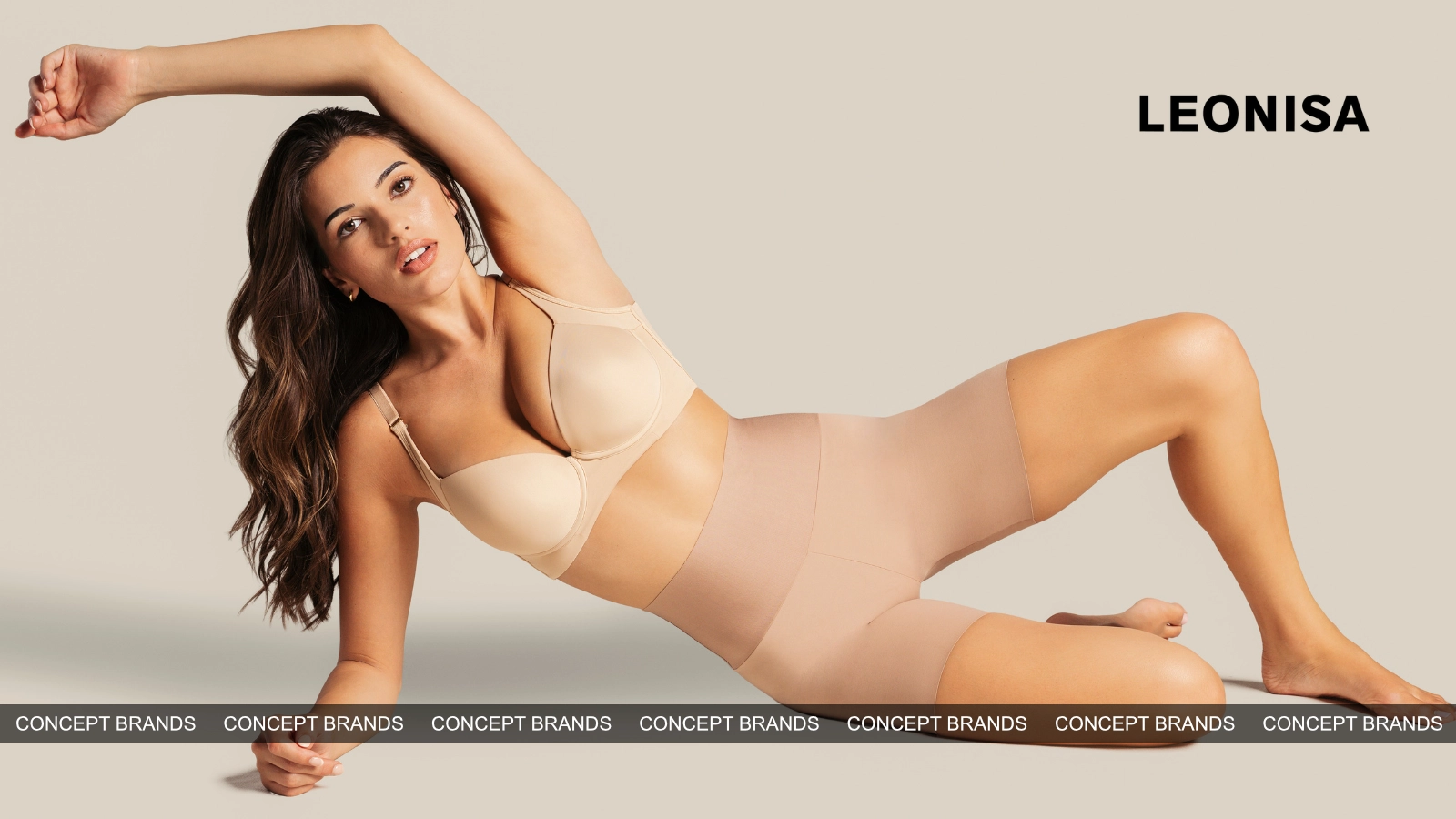
Concept Brands supports lingerie retailers, boutiques, fashion businesses, department stores and eCommerce retailers across ANZ with a broad portfolio that includes premium shapewear brands such as Miraclesuit, Leonisa, Cupid Shapewear and Naomi & Nicole.
Want to explore our full wholesale catalogue, access our online B2B store, or connect with the Concept Brands team to discuss your assortment needs?
Contact Concept Brands or become a customer through the B2B portal: https://b2b.conceptbrands.com.au
The best shapewear for dresses depends on the specific dress silhouette and fabric. Fitted dresses call for all-over seamless shaping, such as a bodysuit, while A-line dresses really only need upper-torso smoothing and so a side and back-smoothing bra or bustier may be sufficient. Always check that the shapewear remains hidden beneath the dress, including at the back and under the arms.
Seamless bodysuits, mid-thigh shaping shorts and high-waisted thong styles can be useful beneath tight dresses. The best options will minimise visible edges for a smooth, uninterrupted line.
Lightweight, seamless shapewear is often preferable beneath satins, fine silks and bias-cut fabrics, because these materials can reveal seams and compression lines easily. Colour should also be selected carefully so the shapewear is not visible through the outer garment.
Shaping briefs and mid-thigh shorts can work well under trousers, depending on the trouser rise and fabric. Shaping shorts suit sharp tailoring, while seamless briefs can work beneath more relaxed or fluid trousers that are more forgiving at the thigh.
Bridal shapewear should be selected according to the gown. Fitted wedding dresses may benefit from seamless shorts or full body shapers, while low-back or plunging gowns may require specialist foundations. Brides should ideally test the shapewear with the wedding dress before final alterations.
No! Customers should generally begin with the manufacturer’s recommended sizing rather than automatically sizing down. Wearing shapewear that is too small can create discomfort, rolling, visible compression lines and an inferior overall fit.
Shapewear should feel secure according to its intended compression level, but the wearer should still be able to sit, walk and move comfortably. Extremely restrictive shapewear is not necessarily more effective.
Some tips to improve shapewear sales include merchandising products according to outfit needs, training staff to lead with a question about the outfit, improving online fit information, connecting shapewear with occasionwear purchases, and offering products with clearly-differentiated support levels and constructions so customers are better able to understand the differences and choose between them.
Premium shapewear can help you differentiate through fabric quality, garment engineering, comfort, fit consistency and more sophisticated shaping solutions. It also creates opportunities for consultative selling rather than relying primarily on price competition.
Retailers across Australia and New Zealand can explore wholesale shapewear opportunities with Concept Brands by registering for access to our B2B platform at https://b2b.conceptbrands.com.au.